
24/7 Support Centerinfo@sunspike.net
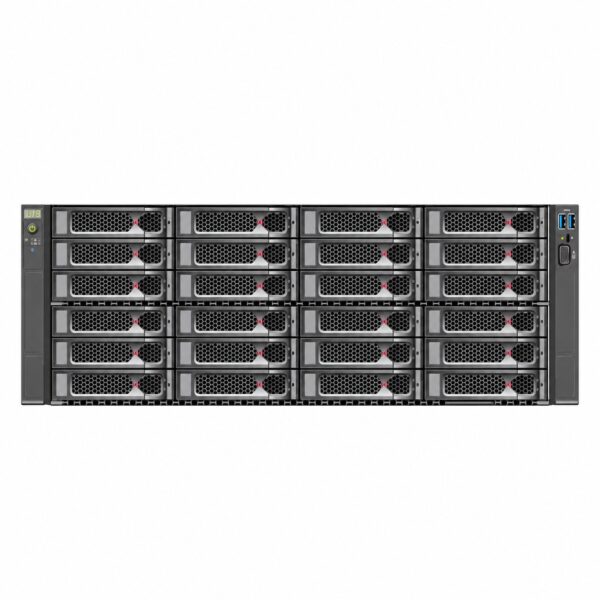
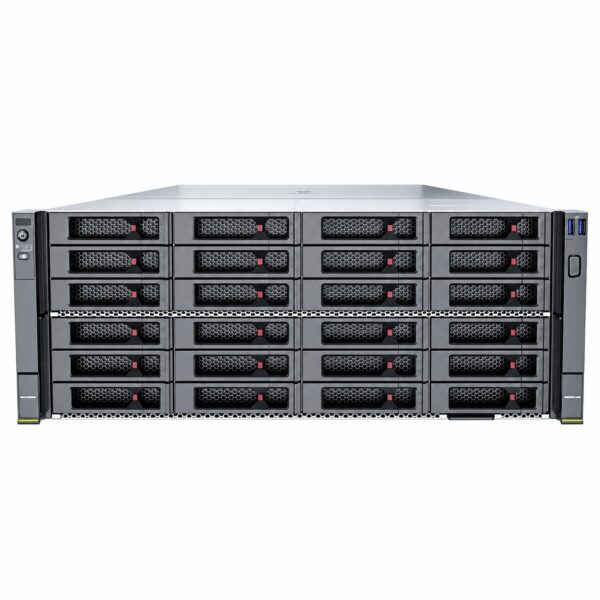
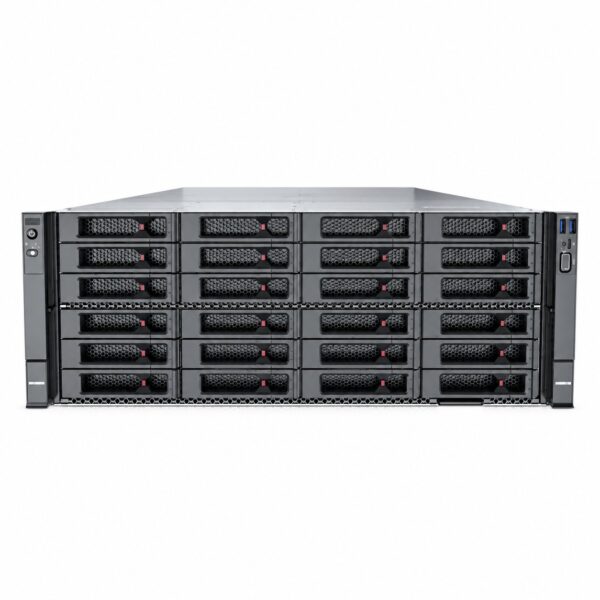
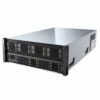
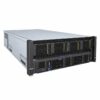
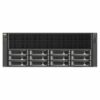
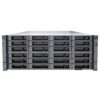
Huawei FusionServer G5500 V6
FusionServer G5500 V6
Enterprise stock · tested · export documentation available
Huawei FusionServer G5500 V6 – Product Documentation List & Specifications
Product Overview
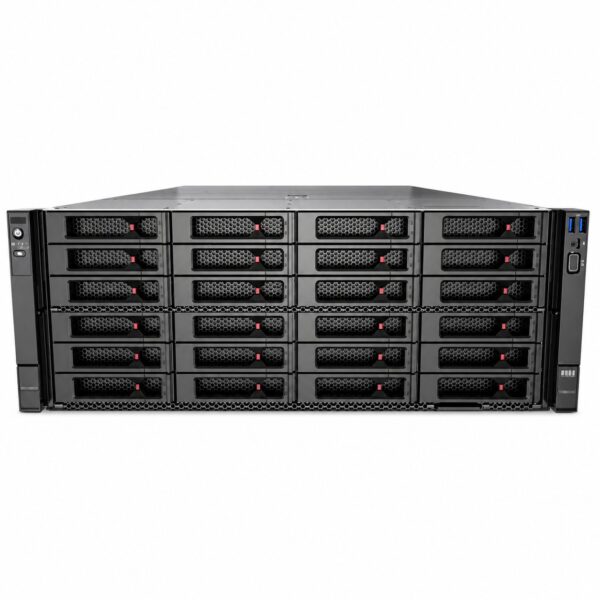
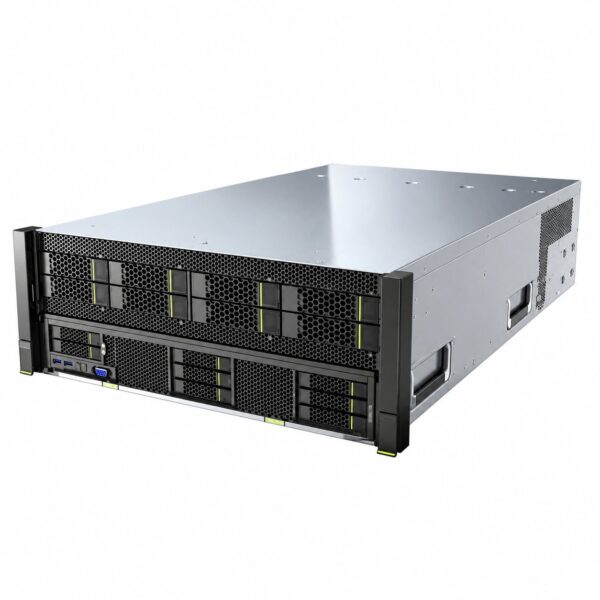
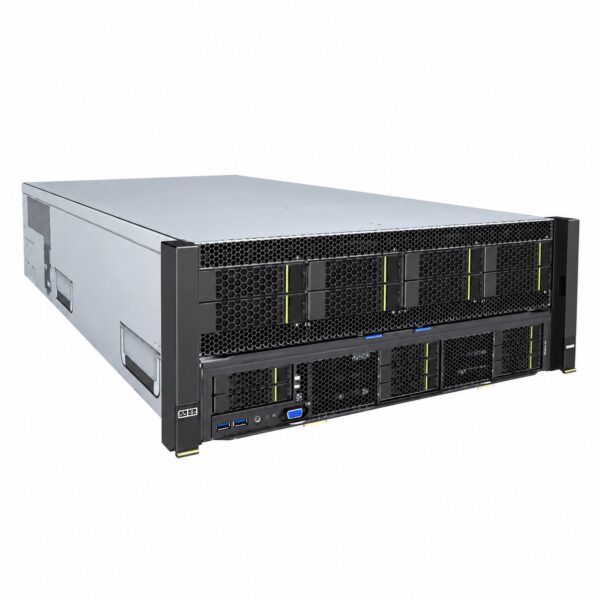
The Huawei FusionServer G5500 V6 is a 4U dual-socket AI server engineered for heterogeneous computing, purpose-built to accelerate deep learning training, inference, high-performance computing (HPC), and scientific workloads . Powered by two 3rd Generation Intel® Xeon® Scalable processors (Ice Lake) with up to 270W TDP per socket and built on the Intel C621A chipset, the G5500 V6 delivers exceptional compute density and performance .
The chassis supports up to eight full-height full-length (FHFL) dual-width GPU accelerator cards or up to 32 half-height half-length (HHHL) single-slot cards, leveraging GPUDirect RDMA and peer-to-peer interconnect for ultra-low latency GPU-to-GPU data transfers . With 32 DDR4 DIMM slots operating at 3200 MT/s and support for Intel Optane™ Persistent Memory, the system scales to significant memory capacities ideal for in-memory analytics and virtualization .
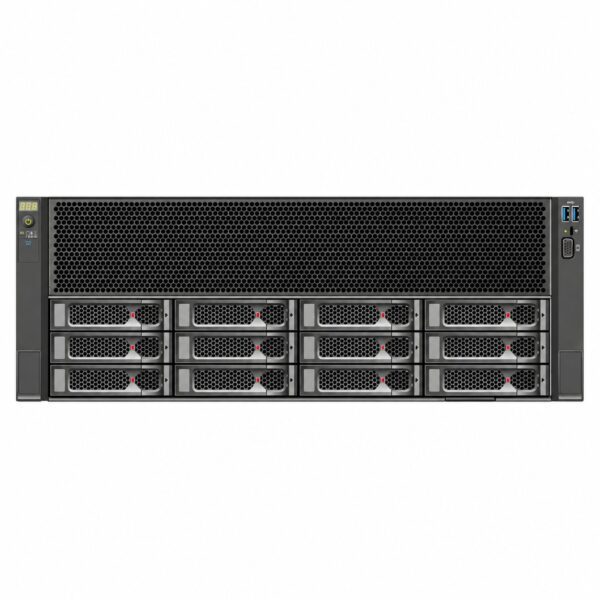
The G5500 V6 features flexible topology switching between Single-root and Double-root configurations, comprehensive storage options including up to 24 front-accessible drives with NVMe support, and extensive PCIe 4.0 expansion capabilities . Intelligent management is delivered through the integrated iBMC chip with Redfish, SNMP, and IPMI 2.0 support, with optional FusionDirector software for automated lifecycle management .
Product Documentation List
| Document Type | Description |
|---|---|
| Datasheet | Product overview, key features, technical specifications, and ordering information |
| Technical White Paper | Detailed architecture, processor/memory/storage subsystem details, performance optimization, and RAS features |
| User Guide | Hardware installation, component replacement procedures, cabling, and system startup/shutdown |
| Technical Specification | Complete hardware specifications including dimensions, environmental requirements, and power consumption |
| Configuration Guide | Supported configurations, compatibility matrix, and topology switching guidance |
| iBMC Management Guide | Out-of-band management interface configuration, Redfish/SNMP/IPMI usage, and remote KVM |
| FusionDirector User Guide | Intelligent lifecycle management software operation and automation features |
| Safety and Installation Guide | Rack mounting instructions, safety precautions, and regulatory compliance information |
| OS Installation Guide | Supported operating system installation procedures and driver configuration |
| Compatibility List | Validated components including CPUs, memory modules, drives, GPUs, NICs, and PCIe cards |
| Release Notes | Firmware versions, known issues, and update instructions |
| Quick Reference Guide | Front/back panel component identification and LED status indicators |
| Maintenance and Service Guide | Diagnostic procedures, fault isolation, and FRU replacement |
| RAID Configuration Guide | RAID levels setup (0/1/10/5/50/6/60), cache protection, and web-based remote configuration |
| Thermal and Acoustic White Paper | Cooling design, fan redundancy architecture, and acoustic performance data |
| TPM/TPCM Security Guide | Trusted Platform Module configuration, Secure Boot, and password security features |
Technical Specifications
| Category | Specification |
|---|---|
| Form Factor | 4U rack server (175 × 447 × 898 mm) |
| Processors | 2 × 3rd Gen Intel® Xeon® Scalable (Ice Lake), up to 270 W TDP per processor |
| Chipset | Intel® C621A |
| Memory | 32 × DDR4 DIMM slots, up to 3200 MT/s; 16 × Optane™ PMem 200 slots at 3200 MT/s |
| Max Memory Capacity | 8 TB DDR4; combined DRAM + PMem up to 12 TB |
| Local Storage | Up to 24 × 3.5″ SAS/SATA front drives; up to 4 × NVMe SSDs; Dual M.2 SSD for boot |
| RAID Support | RAID 0, 1, 10, 5, 50, 6, 60 (optional); supercapacitor cache backup; RAID migration; drive roaming; web-based configuration |
| GPU Accelerators | Up to 8 × FHFL dual-width or 32 × HHHL single-slot accelerator cards |
| PCIe Expansion | Up to 16 × PCIe 4.0 slots: 12 standard × x16 slots, 3 × OCP 3.0 slots, 1 × internal RAID slot |
| Networking | 3 × OCP 3.0 NIC slots; supports InfiniBand/OPA/Ethernet; orderly hot-swap |
| Cooling | 6 or 8 hot-swap counter-rotating fans, N+1 redundancy |
| Power Supplies | 4 × hot-swap PSUs; 2000 W Platinum/Titanium, 2600 W Platinum, 3000 W Titanium; N+N or N+M redundancy |
| Management | iBMC with Redfish, SNMP, IPMI 2.0; HTML5/VNC KVM; optional FusionDirector |
| Security | TPM 2.0, Secure Boot, administrator/power-on passwords, chassis intrusion detection |
| OS Support | Microsoft Windows Server; SUSE Linux Enterprise; Red Hat Enterprise Linux; Ubuntu; Debian; openEuler |
| Operating Temperature | 5 °C to 35 °C (41 °F to 95 °F) |
| Certifications | CCC |
| Rack Mounting | L-shaped rails, adjustable rails, or holding rails |
Related products
-
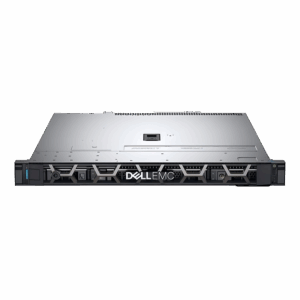
Dell PowerEdge R240
Refurbished Dell PowerEdge R240 1U Rack Server The PowerEdge R240…
-
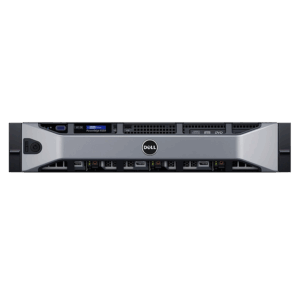
Dell PowerEdge R530
Dell PowerEdge R530 2U Rack Server The PowerEdge R530, an…
-
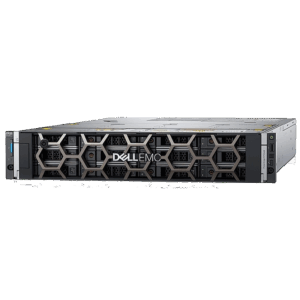
Dell PowerEdge R740xd2
Refurbished Dell PowerEdge R740xd2 2U Rack Server The Dell PowerEdge…
-
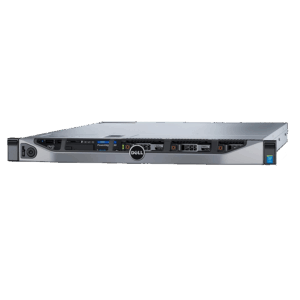
Dell PowerEdge R630
Dell PowerEdge R630 1U Rack Server The PowerEdge R630, a…
Reviews
There are no reviews yet.